Armenia’s opposition to get a quota on the CBA Board and the Audit Chamber, Security Council to be abolished: what is known about the draft new Constitution
Armenia’s draft new Constitution gives the opposition a quota on the Board of the Central Bank, the Audit Chamber, the Central Electoral Commission and other collegial independent bodies, and abolishes the Security Council. The preliminary draft will be published next week.
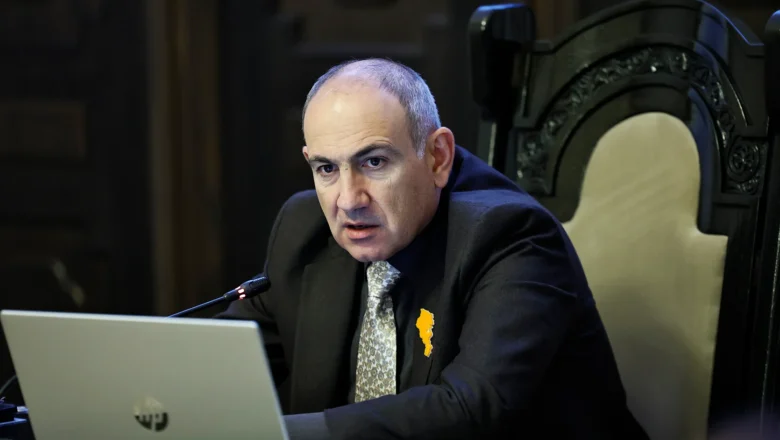
Adopting a new Constitution is a separate section of the government’s 2026–2031 action plan, which the government approved at its 19 November session (item 28 on the agenda). Prime Minister Nikol Pashinyan said at the session that the process is entering its practical phase.
What it is
- According to Pashinyan, the preliminary draft of the Constitution will be published next week. It is a “draft of a draft”: the government has not yet discussed it as a complete text.
- The draft may be revised, but within the “Real Armenia” ideology. Pashinyan opposes linking the new Constitution to the 1990 Declaration of Independence.
The opposition quota
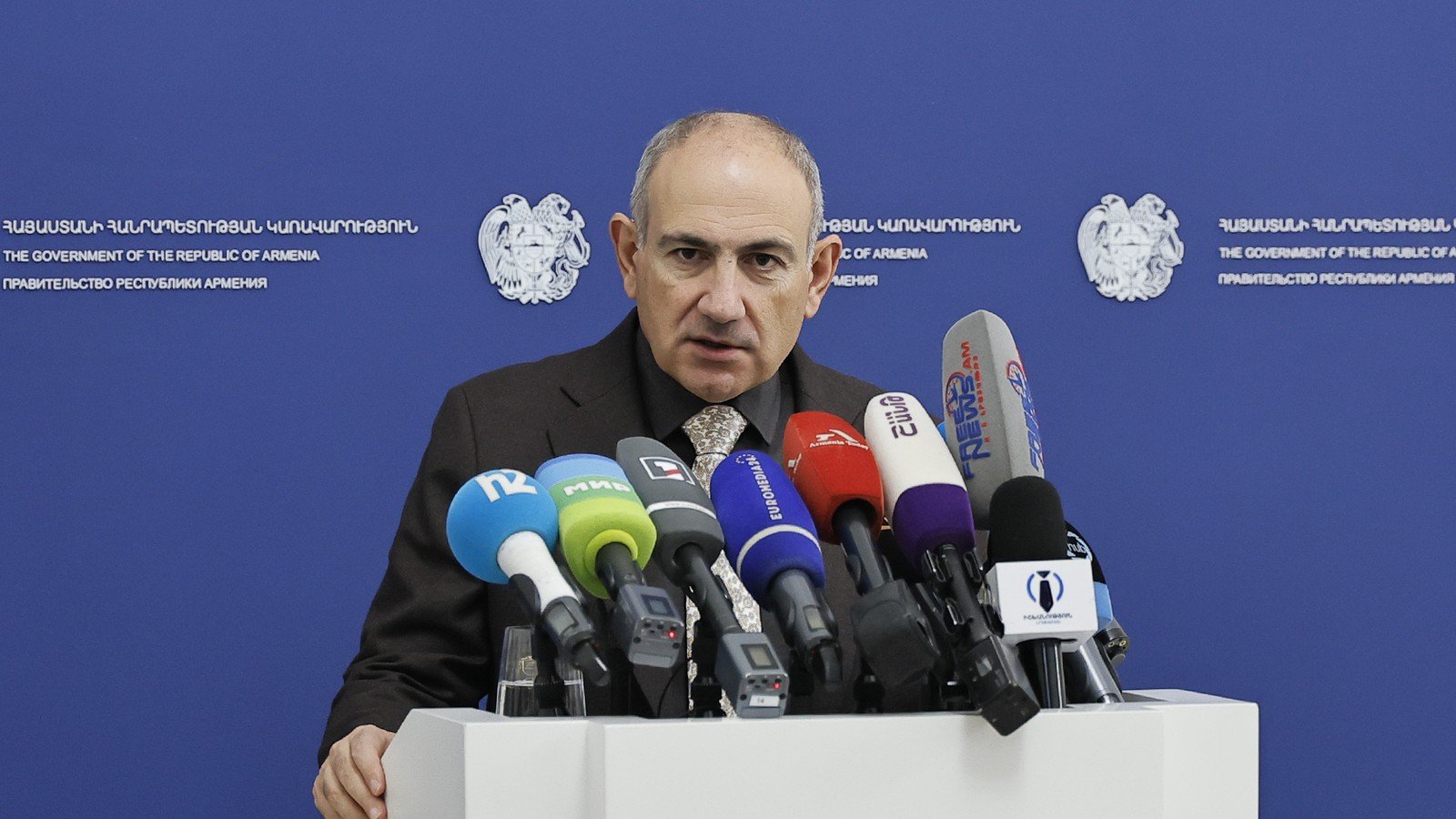
At a briefing after the government session, Pashinyan said the draft gives the opposition a quota on the Supreme Judicial Council and in collegial independent bodies. Just as one of the deputy speakers of parliament is now elected from the opposition, one member of the SJC will be elected from candidates nominated by the opposition. The opposition will have a quota:
- on the Board of the Central Bank;
- on the Central Electoral Commission;
- in the Audit Chamber;
- in autonomous bodies;
- on the prosecutorial council that is being set up.
The Security Council
The Security Council is being abolished. Pashinyan explained that it is a body typical of presidential or semi-presidential systems, where it bridges the “gap” between the president and the government. A parliamentary system does not have this problem: the government is in effect a security council itself, and all members of the Security Council represent the executive. In his view, the issues now discussed in the Security Council are more effectively discussed in the government format.
Pashinyan also said that for the first time in Armenia’s history a draft Constitution is not being written for specific people.
Referendum and elections
At the government session, Pashinyan proposed that the opposition go to a referendum: if the people reject the Constitution, he will resign; if they approve it, he will not be a candidate for prime minister at the next elections. At the briefing he added that if the opposition rejects the offer, the government will show that it is obstructing peace and will go to snap elections. Pashinyan said his sense is that the two current opposition factions will not get into parliament.
Who needs this
- Banks, credit organisations, insurers, investment companies and issuers regulated and supervised by the Central Bank: the CBA Board sets the refinancing rate and adopts regulations.
- State-owned companies and recipients of budget funds audited by the Audit Chamber.
- Investors, for whom the independence of regulators is part of the risk assessment.
What it means
The current Constitution provides that the CBA Board is composed of the Chairperson of the Central Bank, two deputies and five members. All are elected by the National Assembly for six years: the Chairperson by at least three fifths of the total number of deputies, the other members by a majority of the total number of deputies. The Central Electoral Commission and the Audit Chamber have seven members each, elected by at least three fifths of the votes.
The opposition quota is a change in how independent regulators are formed: one seat will be reserved for opposition-nominated candidates. How these candidates will be nominated and elected, what majority will be required and what transitional provisions will apply to sitting members will become known once the text is published.
Under the current Constitution, the Security Council sets the main directions of defence policy, so the new text will have to move this function to another body — by Pashinyan’s logic, to the government.
What to do
- Once the draft is published, read the provisions on the Central Bank and the independent bodies: the number of opposition seats, the nomination procedure, terms of office and transitional provisions.
- Financial organisations: bear in mind that until a new Constitution is adopted, the CBA Board is formed under the current rules.
- Follow the discussion of the draft.
Background
BusinessDaily reported that the government approved its 2026–2031 action plan, with 733 measures in six areas; adopting a new Constitution is part of it.
Editor’s comment
For the financial market, the key question is not the quota itself but how it works: whether opposition candidates will meet the same professional requirements and go through the same procedure in parliament’s standing committee, and how this will affect the continuity of monetary policy decisions. The answers will be in the text of the draft.