Armenia’s staff-level deal with the International Monetary Fund unlocks up to $287 million more
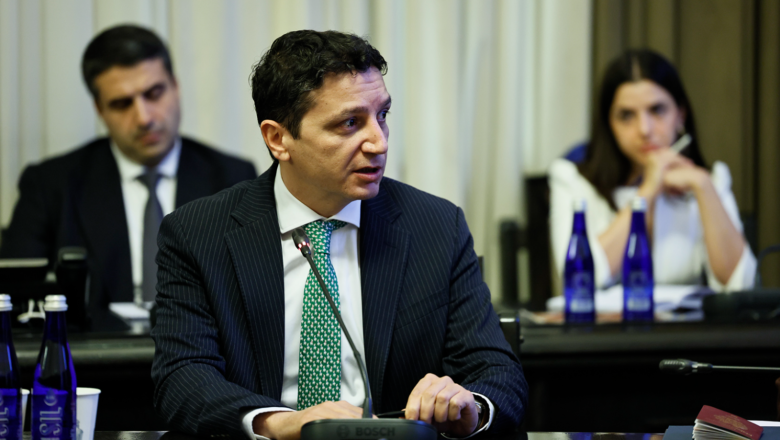
Armenia and the International Monetary Fund (IMF) have reached a staff-level agreement on policies under the second review of the Stand-By Arrangement (SBA) and the Resilience and Sustainability Facility (RSF). IMF mission chief Alexander Tieman, whose team visited Yerevan on September 16–29, announced this. Once approved, the agreements would give Armenia access to another $25 million under the SBA and up to $262 million under the RSF.
Approval of the second SBA review would make an additional SDR 18.4 million available, or $25 million (Special Drawing Rights are the IMF’s unit of account), bringing total access under the arrangement to SDR 55.2 million, or $75 million, since the SBA started in December 2025. If the RSF is approved, Armenia would be able to draw up to SDR 193.2 million, or $262 million, over the next two years, subject to the successful completion of four reviews.
The IMF assesses that Armenia’s economic growth remains strong: real GDP is projected to grow by 5.5% in 2026, with end-year inflation at 4.8%. Growth of around 5% is expected over the medium term. Geopolitical developments remain an important source of risk.
GDP grew by 7.1% in 2025. Inflation is above the 3% target, driven by strong domestic demand and higher logistics costs and commodity prices linked to the war in the Middle East. The 2026 budget deficit is projected at 4% of GDP, central government debt remains just below 50% of GDP, and the current account deficit is set to narrow to 8.5% of GDP, supported by output at a new gold mine. The draft 2027 budget targets a deficit of 3.4% of GDP. The IMF welcomed the Central Bank of Armenia’s cumulative 50-basis-point policy rate increase in September and November and the rise in banks’ countercyclical capital buffer from 1.75% to 2.25%.
The SBA will continue to support macroeconomic stability and structural reforms, and the RSF will help build resilience to climate change and natural disasters. The Fund notes that Armenia’s banking system remains profitable, with high capital and liquidity buffers.
The agreements are subject to approval by the IMF Executive Board, which is expected to consider them in December.