Armenia’s State Revenue Committee sums up first-half results of tax reforms
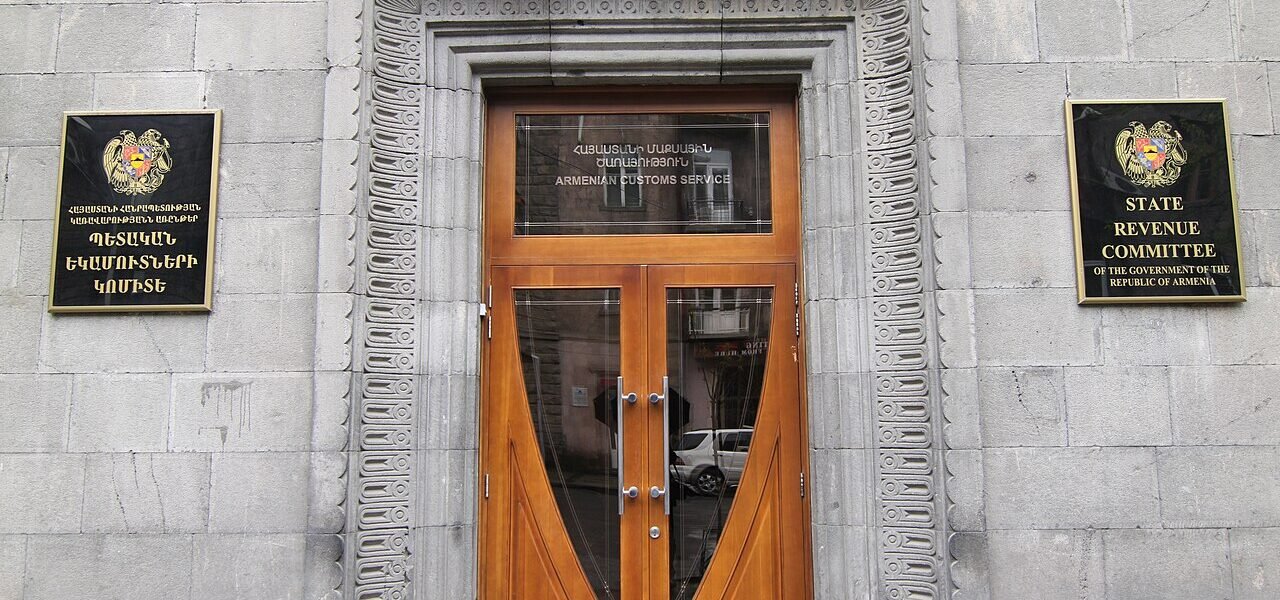
Continuous improvement of the tax system, in line with its vision and mission, remains one of the key priorities of Armenia’s State Revenue Committee (SRC).
The SRC’s reforms and initiatives aim to make tax administration more efficient, create a simpler, more predictable and more favourable environment for taxpayers, introduce modern systems and digital tools, and strengthen tax discipline. The result is a modern, efficient and transparent tax system that builds trust, supports economic activity and ensures constructive dialogue and partnership between the state and taxpayers.
What has improved in tax information and risk analysis
Engagement with taxpayers as a key element of effective administration
Analysis and desk reviews in the first half of 2026 resulted in an additional AMD 54.1 billion (about $144.5 million) in tax liabilities assessed to the budget, up 37.7% year on year. Following analysis and monitoring, taxpayers received 38,012 notifications, up 69.9% year on year.
The increase reflects an approach that treats engagement with taxpayers as a key element of effective tax administration. To encourage voluntary compliance, when risks are identified the SRC gives priority to cooperation: where possible, it refrains from enforcement measures and gives taxpayers the opportunity to review and correct their tax liabilities themselves.
Risk assessment systems are being digitised
To build an innovative and technologically ambitious tax authority, the SRC launched a large-scale digitisation of its risk-scoring modules in the first half of 2026, digitising around 30 analytical tools. Work on AI-based modules continues. Various AI tools are also used to process, match and group data and to identify goods, making analytical processes more flexible and faster.
What progress has been made in ongoing tax control
More targeted, risk-based inspections
To create a fair and transparent tax environment, encourage voluntary compliance and keep improving administration, the SRC focuses on targeted, risk-based inspections. In the first half of 2026, it carried out 3,120 cash register inspections and recorded 2,269 violations, an effectiveness rate of about 72.7%. In the same period of 2025, it carried out 4,344 inspections of cash register use and recorded 2,970 violations, a rate of about 68.4%. The number of cash register inspections thus fell by 1,222, or about 28%, while their effectiveness rose by about 4.3 percentage points.
On unregistered employment, the SRC carried out 515 inspections in the first half of 2026, recorded 320 violations (about 62.1% effectiveness) and identified 1,024 unregistered workers. In the same period of 2025, it carried out 731 inspections, recorded 415 violations (about 56.8%) and identified 1,265 unregistered workers. The number of inspections fell by about 30%, while effectiveness rose by about 5.4 percentage points.
Using risk assessment and analytical tools, tax control focuses on high-risk cases. This reduces unnecessary administrative pressure on compliant taxpayers and encourages voluntary compliance.
A new “soft administration” tool
The SRC has introduced a new “soft administration” approach based on prevention and awareness. Instead of relying first on enforcement, it works directly and systematically with taxpayers through awareness-raising and prevention to improve tax discipline, voluntary compliance and taxpayer behaviour. The approach was applied to a selected sector of activity in Yerevan, with extensive awareness campaigns. In particular, 2,300 taxpayers were informed electronically, and 1,646 taxpayers received on-site visits with explanatory work. The SRC recorded positive trends in tax discipline indicators as a result.
More transactions are documented
A steady increase in the documentation of transactions is another important part of encouraging voluntary compliance and people-centred administration. In the first half of 2026, 473.2 million receipts were issued for a total of AMD 8 billion 259.1 million. Compared with the same period of 2025, the number of receipts rose by about 21% and their value by about 19.2%. In the first half of 2025, the number of receipts rose by about 14.7% and their value by about 13.5% compared with the same period of 2024. The growth in documented transactions continues, helping to reflect tax bases more fully, manage tax risks effectively and ensure a level playing field.
What has improved in comprehensive tax audits
Audit processes are being digitised and approaches refined
Comprehensive tax audits aim not only to monitor compliance but also to improve taxpayer behaviour and strengthen a culture of conscious, voluntary and proper compliance with legal obligations. To ensure objective, transparent and efficient administration, the SRC keeps expanding digitisation and automation and refining its tools and approaches. This makes audits more consistent and targeted, reduces the human factor and improves the effectiveness of control.
Fewer audits, higher effectiveness
In the first half of 2026, the SRC carried out 218 comprehensive tax audits, identifying AMD 33.9 billion in tax liabilities. In 178 of the 218 cases, or 81.6%, taxpayers submitted corrected tax returns, and AMD 17.6 billion in additional tax liabilities was assessed to the budget.
In the first half of 2026, the number of comprehensive audits fell by 89, or 29%, compared with 2025. Amounts assessed in audit reports rose by 165%, and amounts from corrected returns by 34%. Audits also became more targeted. Based on risk criteria, the SRC carried out 121 audits, identifying violations worth AMD 19.1 billion, of which AMD 16.2 billion was recovered to the budget through corrected returns. As a result, the effectiveness of risk-based audits in 2026 rose by about 45% compared with 2025, while the administrative burden fell by 43.7%.
What reforms are under way in taxpayer services
Support for start-ups
Step-by-step guides on the micro-business and turnover tax regimes are being developed for taxpayers starting a business.
New systems and digitisation
Queue management systems are being introduced in the service halls of the Taxpayer Service Department. Work is also under way to launch an automated state duty system and a chatbot.
More applications for social expense refunds
Staff of the Taxpayer Service Department held 82 awareness sessions across the country on income declarations and social contributions, attended by about 3,500 citizens. Participants learned about annual income declarations and the possibility of claiming refunds for social expenses. In the first half of 2026, the number of applications for social expense refunds roughly tripled compared with the same period of 2025.
What has changed in the organisation of tax administration
The appeals commission for tax and customs authorities becomes more transparent
Several important changes have recently been made to make the work of the Appeals Commission of Tax and Customs Authorities more open and public. In particular, members of the public council under the SRC Chairman are now regularly invited to Commission meetings, allowing civil society representatives to follow discussions directly and learn about the decisions taken.
The initiative has already drawn an active response from the business and expert community. A representative of the NGO “Taxpayers’ Protection” attends almost every meeting, reflecting the organisation’s consistent involvement in defending taxpayers’ interests. Representatives of other organisations have also shown interest and taken part in individual meetings. According to the SRC, the transparency of the Commission’s work is generating growing trust and interest among businesses and professional organisations.
Initiatives like these improve the quality of dialogue between taxpayers and the tax authority, strengthen mutual trust and create a more predictable and understandable business environment.
What has changed in the SRC’s investigative and operational work
Digitisation and staff development
Guided by technological innovation and a people-centred approach, the SRC has developed, introduced and continuously refined risk profiles in identified high-risk areas, increasing the number and share of operational measures based on them. The results of operational measures have also been digitised, and the accumulated data are used to identify new risks and carry out more targeted measures. In parallel, training courses on the latest technologies were held in Armenia and abroad to develop staff skills.
Taxpayers can now be heard and voluntarily declare liabilities
As control becomes more risk-based and targeted, the SRC has also strengthened its people-centred approach to taxpayers. New mechanisms give taxpayers a real opportunity, during thematic reviews, to exercise their right to be heard, provide explanations and voluntarily declare tax liabilities. As a practical result, the number of reports of suspected offences sent to investigative bodies decreased in the first half of 2026.