Armenia’s government approves pilot marking of food, footwear, medicines, car parts and toys
Confectionery, frozen products, medicines, medical devices, footwear, car parts, toys and other goods in Armenia will go through pilot marking from November 1 to 30.
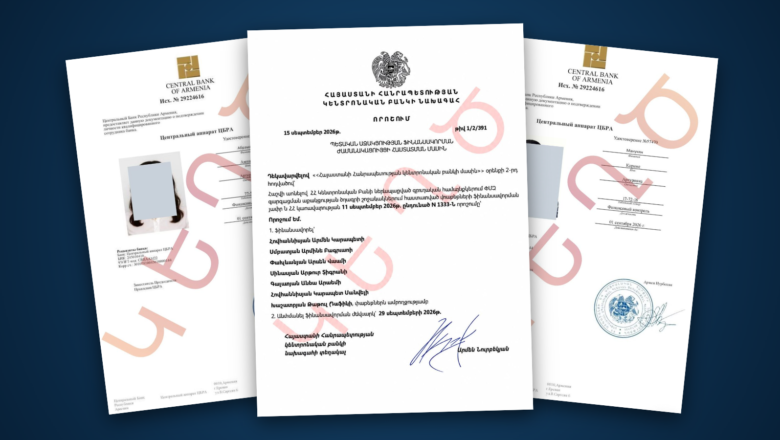
The government approved a list of goods for pilot marking and the pilot programme itself at its October 29 meeting. The first decision covers semi-finished confectionery and frozen products, and five further decisions launch similar pilots for medical devices, medicines, footwear, car parts, toys and other goods.
What happened
According to Vrezh Mkhitaryan, Deputy Chairman of the State Revenue Committee (SRC), the aim is to expand the list of goods subject to marking in Armenia. The SRC is the authorised body. Within 10 days of the pilot ending, it will submit an assessment of the results to the Office of the Prime Minister.
Goods in the November 1–30 pilot (six government decisions):
- semi-finished and frozen products, and confectionery;
- medical devices, pharmaceutical products, medical supplies and equipment;
- footwear, and household and interior goods;
- cameras, car parts and tyres;
- pyrotechnics, fire safety equipment, toys and bicycles;
- natural fur clothing and accessories.
How it works. Under the draft decisions, each unit of a product gets a unique Data Matrix code that cannot be forged. The codes are issued by Armenia’s national marking operator within the Eurasian Economic Union (EAEU), E-MARK LLC, appointed by government decision No. 312-L of March 10, 2022. The system tracks goods along the whole chain, from production or import to sale, export or destruction. It will be integrated with the systems of the SRC and the e-Governance Infrastructure Implementation Office (EKENG).
Key terms of the pilot:
- businesses take part voluntarily;
- the operator issues marking codes free of charge during the pilot;
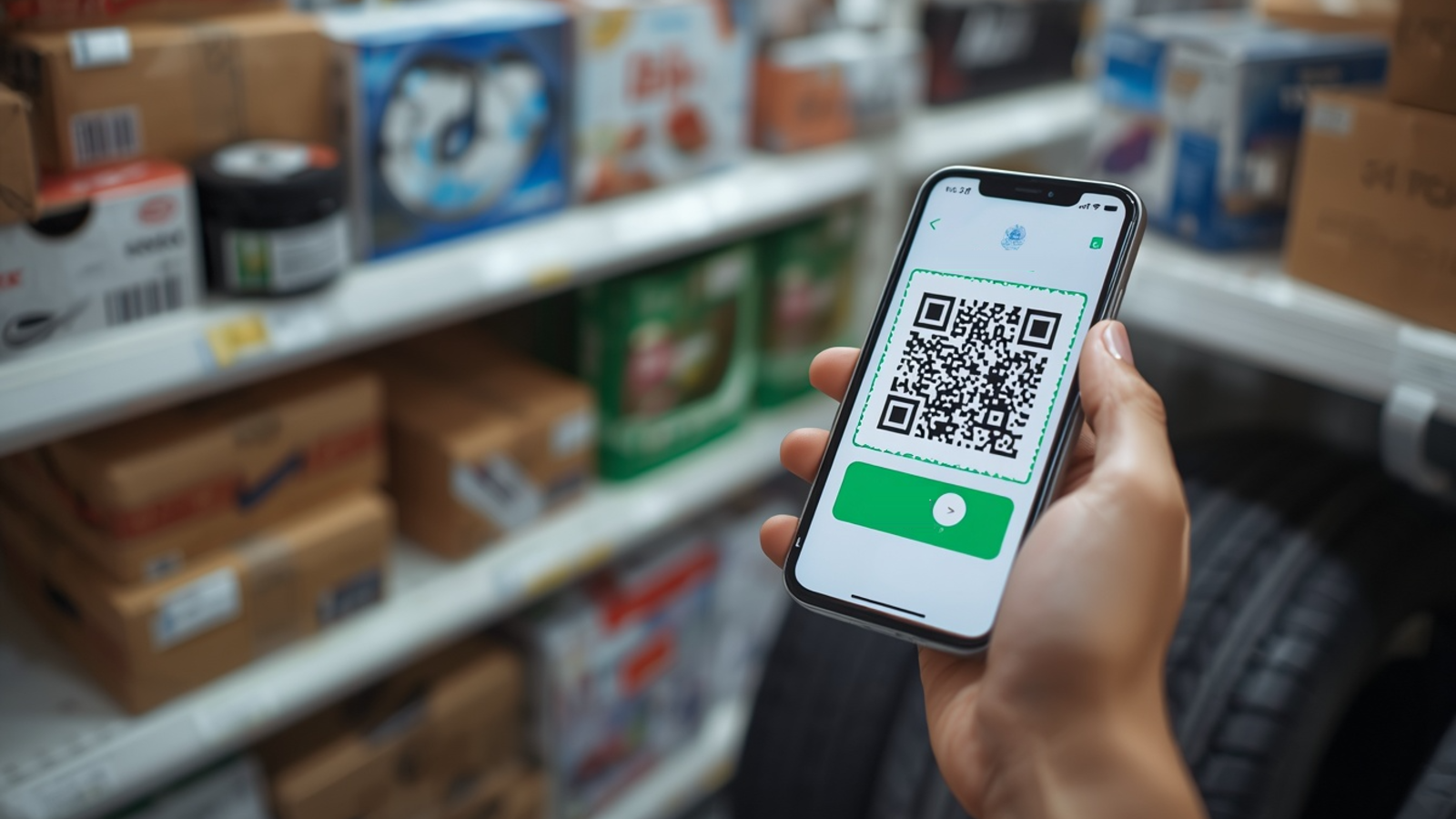
- for consumers, the operator has developed a mobile app to check whether a product is legitimate.
Who benefits
According to Mkhitaryan, the benefits break down as follows:
- The state: a smaller shadow economy, a more transparent business environment, extra tax revenue, real-time statistics and automated cooperation with regulators in other EAEU countries.
- Businesses: fair competition, and simpler trade and exports within the EAEU thanks to a single marking format across the union.
- Consumers: fewer counterfeit and substandard goods on the market, and protection of people’s health and rights.
Honest producers and importers are protected from competitors selling off the books or selling fakes. Exporters to the EAEU need marking so their goods can be sold in other member states.
Who bears the costs. The draft decisions acknowledge that some producers and importers may need to upgrade their equipment: code printing, scanners and integrating their accounting systems.
What it means
Marking is becoming universal. Armenia has marked goods since 1997: first alcohol and tobacco with excise stamps, then from 2013 water, soft drinks, juices and beer with control labels, from 2014 dairy, canned goods, cosmetics and medicines, and from 2018 pasta, meat, oils and other goods. Since 2023, the country has been switching in stages to EAEU-standard digital codes, starting with tobacco and alcohol, then water, dairy and other goods. Prime Minister Nikol Pashinyan has set the direction, stressing that absolutely nothing should be sold in Armenia without marking.
The target is markets with a big shadow economy. Pashinyan singled out the huge shadow economy in the sale of mobile phones and household appliances and noted that the system would help reduce it. “Of course, the system is not flawless, and neither was the rollout, but we must go down this path,” the Prime Minister said.
Marking for fur will soon be mandatory. According to the draft decision, under Decision No. 116 of the Council of the Eurasian Economic Commission of November 19, 2025, from March 1, 2027 the circulation of natural fur goods without marking that meets the new requirements will be banned across the EAEU.
The pilot is a test, not an obligation. Over a month, it will test the information system, how participants work together and the full cycle, from ordering a code to a product leaving circulation. The decisions set no deadlines for mandatory marking of these groups (except fur).
What to do
- Producers and importers of listed goods: the pilot is voluntary and the codes are free. It is a chance to test your processes at no cost before marking becomes mandatory. Contact the operator, E-MARK, and check whether your equipment and accounting system are ready.
- Sellers of fur goods: prepare for mandatory marking from March 1, 2027, after which unmarked goods cannot be sold anywhere in the EAEU.
- Exporters to EAEU countries: use the pilot to set up marking to the union’s common standards.
- Retailers: assess whether you need scanners and updated till and accounting software to handle Data Matrix codes.
- Shoppers: once codes appear on goods, check them in the operator’s mobile app. It helps tell legitimate products from fakes.