
European Union trade preferences for 80% of Armenian exports take effect on October 10
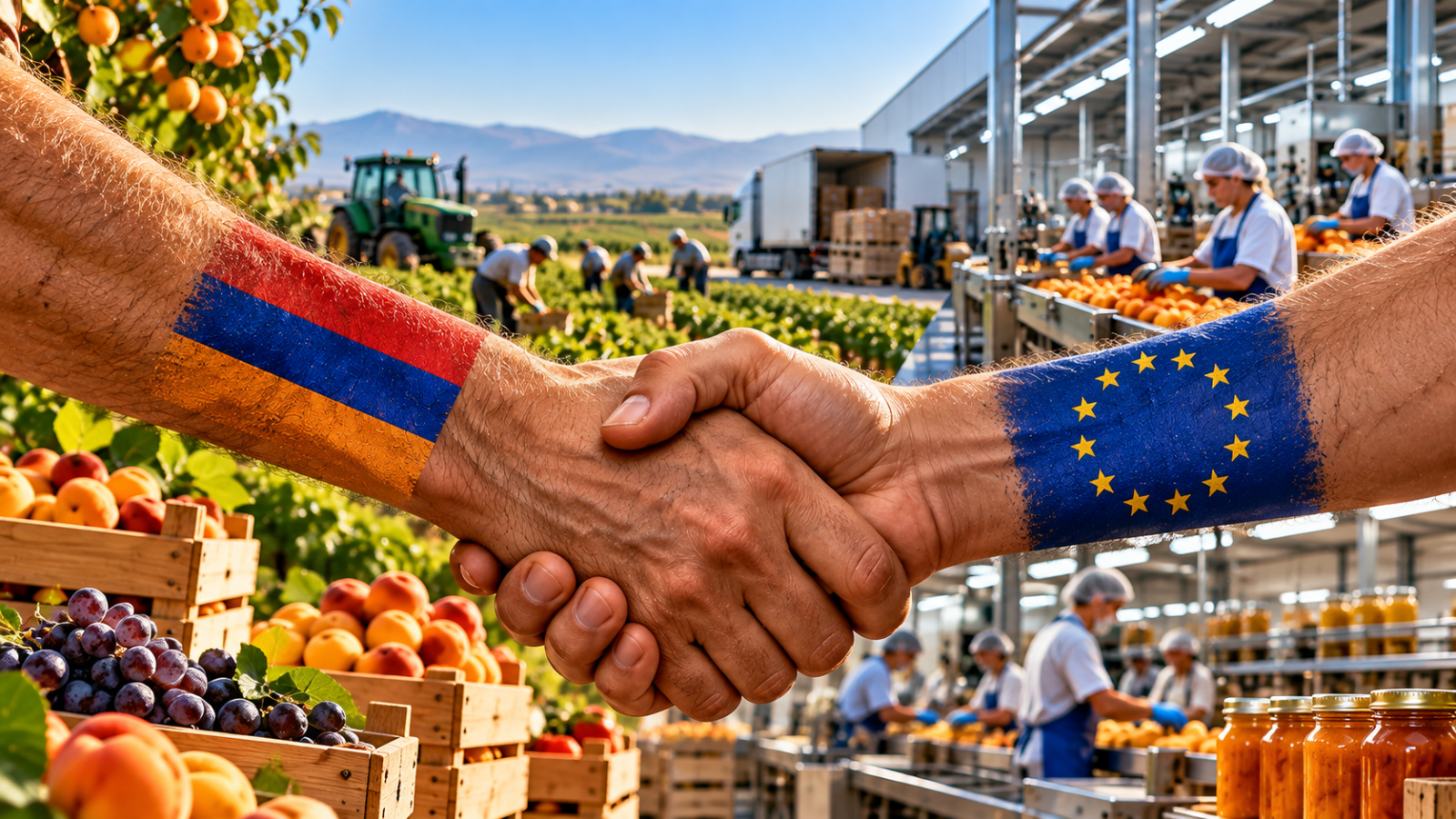
Temporary European Union trade preferences for Armenian goods take effect on October 10 and will apply for two years. According to the European Commission, they liberalise almost 80% of Armenian exports to the EU, including almost all exports of fresh fruit, vegetables and flowers affected by Russia’s restrictions, and over 91% of exports of beverages and spirits.
The preferences are intended to support Armenian producers and exporters following trade restrictions recently imposed by Russia. The Commission said the measures will make it easier to access the EU market and support the resilience of Armenia’s economy.
The preferential arrangement is subject to conditions and includes safeguard measures in case imports adversely affect EU producers. The preferences are part of a broader support package for Armenia announced by European Commission President Ursula von der Leyen.
Numbers and context
According to the Statistical Committee of Armenia, Armenia’s exports to the EU rose 66.4% to $650 million in January-August 2026, while exports to Russia fell 9.1% to $1.65 billion. The EU’s share of Armenia’s foreign trade grew from 12.3% to 19%. These figures cover the period before the preferences took effect (details).
Since June 2026, Russia has restricted imports of Armenian plant and animal products. The Central Bank of Armenia estimates that the restrictions cover products whose exports amounted to about 1.2% of GDP in 2025. Most of Armenia’s output of flowers, fish products and stone fruit goes to Russia.
The Council of the EU gave final approval to the measures on September 24.
The full list of products subject to quotas is available here.
A checklist of Armenia’s possible actions regarding TRIPP, EU preferences and Russian pressure is available here.


