Armenia’s government to subsidise 2,478 tonnes of Areni grapes bought in Vayots Dzor at 70 drams per kilogram
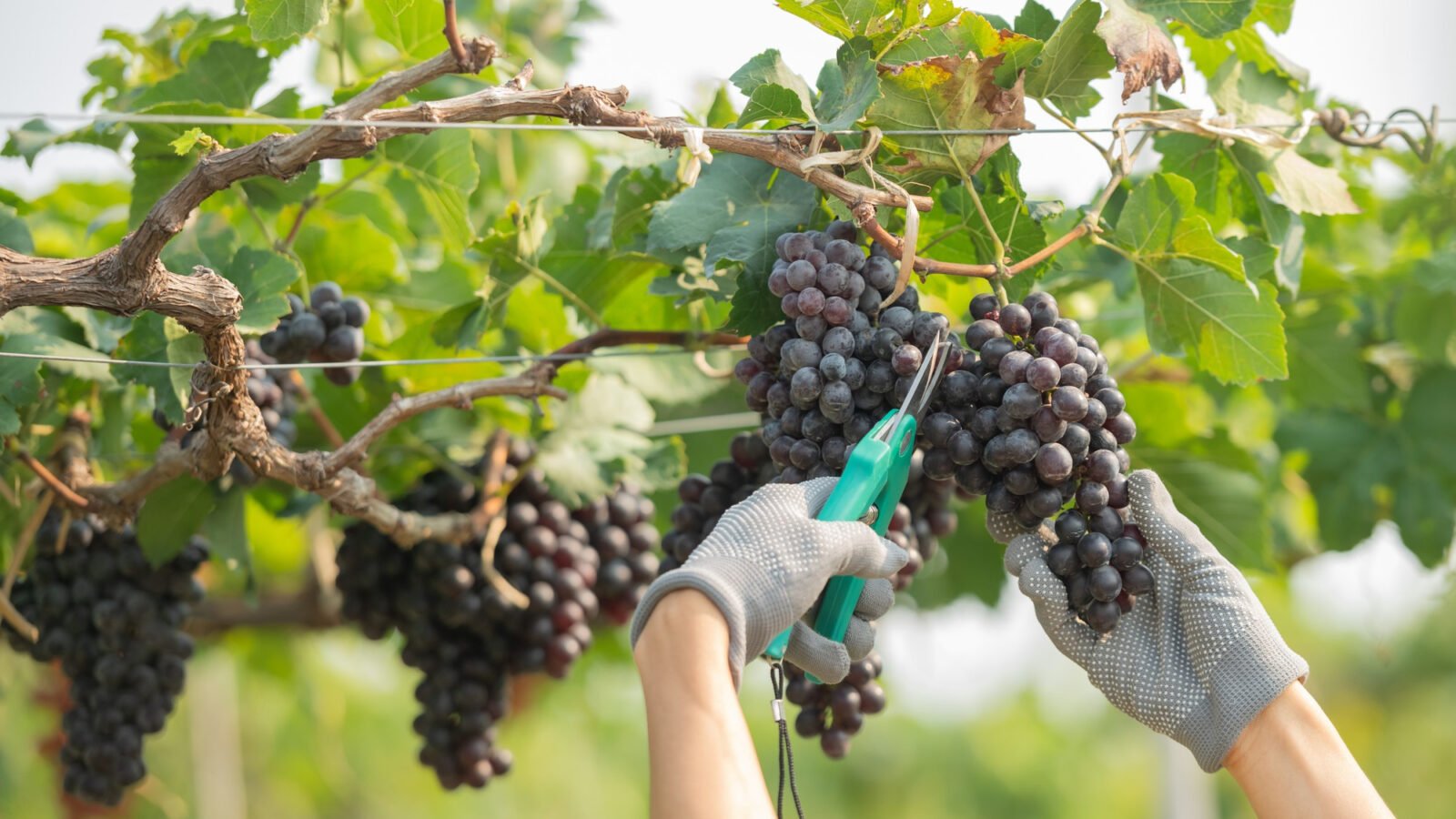
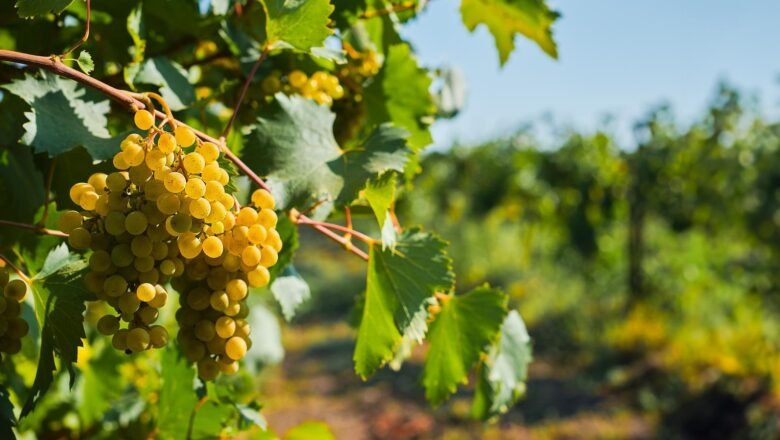
Armenia’s government at its 12 November session approved a measure to organise the 2026 procurement of Areni grapes: the buyer will receive a subsidy of 70 drams for each kilogram of the 2,477.785 tonnes procured in Vayots Dzor Province. Total support is about 173.4 million drams, Armenia’s Minister of Economy Gevorg Papoyan said.
Under the measure, the subsidy goes to a business that procured at least 800 tonnes of Areni grapes from Vayots Dzor at a price of no less than 210 drams per kilogram. No subsidy is paid for grapes from land belonging to the buyer itself, its founders, shareholders holding more than 10%, or members of their families. The regional governors’ offices monitor the process at the collection points.
According to the draft’s rationale, this year’s gross Areni harvest in Vayots Dzor is estimated at about 5,400 tonnes, of which about 2,900 tonnes were used for own needs or procured under contracts for wine production, leaving about 2,500 tonnes without a buyer. All businesses in the sector were informed of the measure, but only «Գետափի գինու կոնյակի գործարան» LLC agreed to procure under the set procedure. Procurement began on 16 October and was completed as of 7 November.
The decision matters to Vayots Dzor grape growers whose harvest winemakers did not buy. The rationale says wine production in 2025 was about 8.0 million litres, down about 1.8 million litres, or 18.5%, from the previous year, equivalent to about 2,800 tonnes of grapes. Gevorg Papoyan said producers of quality wine seek to work with grapes from their own vineyards to ensure traceability, which creates a problem for growers whose business model is to sell grapes to wineries.
The minister explained the pricing logic: Areni is a wine variety, and buying it for brandy spirit is not economically viable. According to the rationale, the procurement price formed in Vayots Dzor over the years is about 230 drams, while grapes bought for brandy spirit cost 135–140 drams. The minister said 70 drams were added to 140 to bring the price to 210 drams; otherwise the vineyards could have been lost, and Areni is endemic to that area. The 800-tonne threshold, according to the rationale, was set so that those buying Areni for wine could not use the programme and unequal competitive conditions would not arise.
Armenia’s Deputy Prime Minister Mher Grigoryan asked who confirms that the procured grapes are indeed Areni and recalled that vineyards were supposed to be mapped on the geoportal. Gevorg Papoyan replied that the vineyard register is being developed by Italian partners and is not yet in official use, while this year representatives of the community and the governor’s office were present at the unloading of every truck. He said that once the work is completed, procurement and contracts will be registered in that system.
Zaruhi Muradyan, Executive Director of the Vine and Wine Foundation of Armenia, earlier told BusinessDaily.am about the vineyard register: she said the foundation is developing a register programme that will be fully ready in December. The register is meant to show who the grower is, how many hectares of vineyard they have, which variety they grow, what harvest they get and to whom they sell, while the buyer will enter how much grape it bought and what it produced. Procurement contracts will have to be attached to the platform by May. Zaruhi Muradyan said all of Armenia’s vineyards have already been mapped and filmed by drone, and the geographical indication will be tied to the register so that only local producers can use the Vayots Dzor geographical name. More in the BusinessDaily.am interview.
The minister stressed that programmes to increase the number of small producers and to create a wine and tourism cluster are under way in the region. Another draft on the same session’s agenda is also of practical relevance to growers and buyers: in the programme subsidising interest rates on loans for procurement of agricultural raw materials, the deadline for contracts to procure Areni grapes from Vayots Dzor in 2026 is set at 15 November. The Minister of Economy must submit a budget reallocation proposal by 30 November to finance the subsidy.
BusinessDaily.am reported on 2 November on the draft of this measure put up for public discussion: at that time the volume of grapes left without a buyer was estimated at about 2,000 tonnes and maximum support at about 140 million drams. According to the Statistical Committee, grape wine production rose 23.4% to 4,894.3 thousand litres in January–August 2026.