Armenia’s connectivity: roads to Turkey, a threefold-capacity border crossing with Iran and Kayan–Akhurik as the shortest East–West route
Armenia’s government has approved an agreement with the European Investment Bank to design 30 km of roads to the Turkish border. Prime Minister Nikol Pashinyan linked these projects to turning Armenia into the shortest overland route between East and West.
Minister of Territorial Administration and Infrastructure Davit Khudatyan presented the advisory support agreement at the 19 November government session. It is concluded under the “Eastern Partnership. Connectivity Investments” initiative. The decision was adopted with no votes against. The same session’s agenda also included a €19.6 million loan from the European Bank for Reconstruction and Development (EBRD) to modernise State Revenue Committee border crossings.
What it is
Projects on all of Armenia’s borders were presented at the government session. The Prime Minister described this as the practical implementation of the Crossroads of Peace project.
The border with Turkey
- With EIB support, a feasibility study, design, and social and environmental assessment will be carried out for the Gyumri–Akhurik (25 km) and Vardanashen–Margara (5 km, Armavir province) roads, along with tender documents.
- According to Davit Khudatyan, the process will take about 1.5 years, after which a construction tender will be announced. The new road will bypass towns and is designed for freight.
- The design of a new bridge at Margara is in its final stage.
- State Revenue Committee Chairman Eduard Hakobyan said a tender for a feasibility study to expand the Akhurik and Margara crossings has already been announced with the EBRD, and the crossing designs will be ready before the roads.
The border with Iran
- According to Eduard Hakobyan, the existing Agarak crossing is working at full capacity, about 270 units a day.
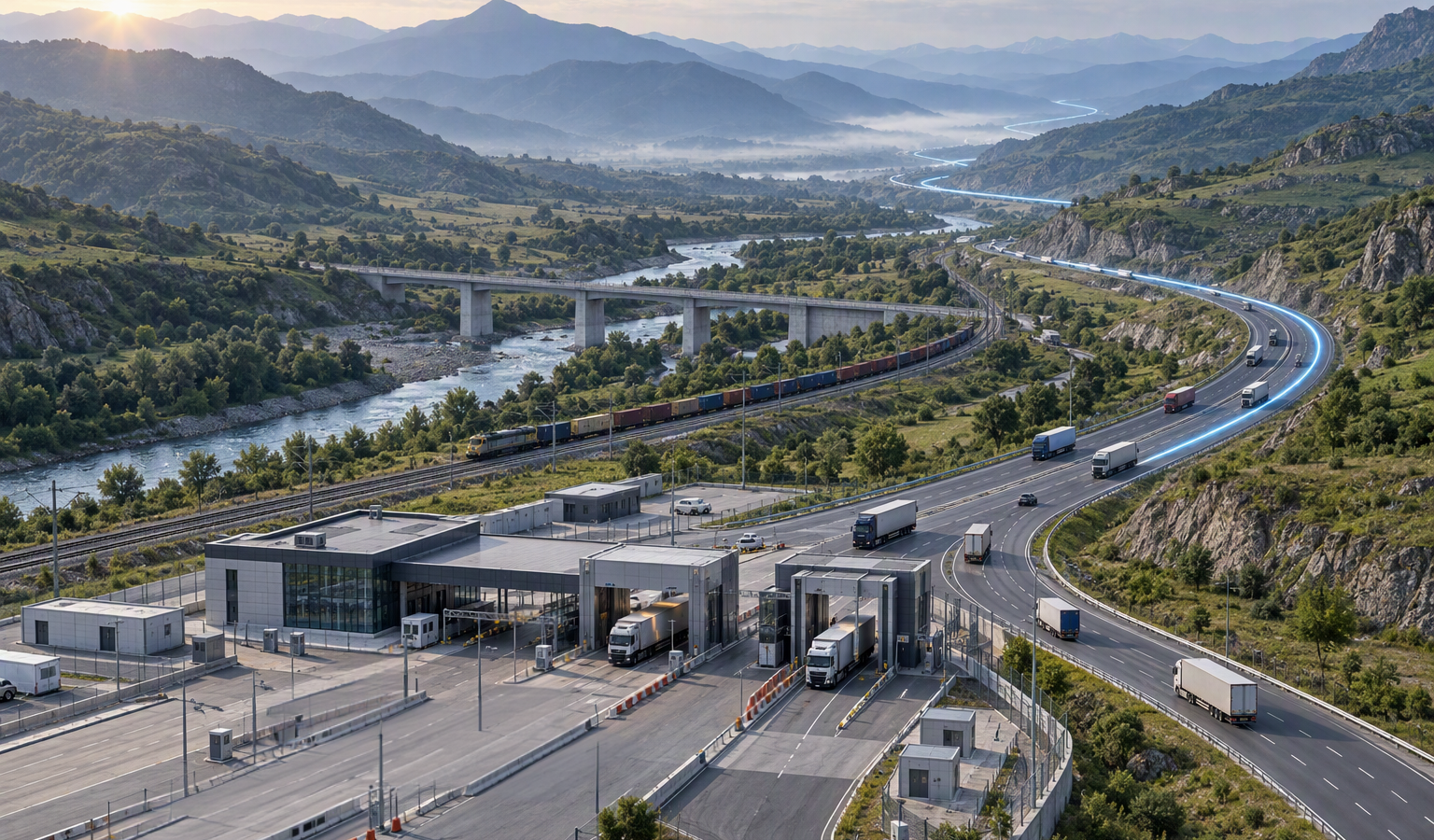
- A new crossing being built from scratch will at least triple capacity. It is funded by European institutions and built by an Iranian company.
- Armenia and Iran have signed an agreement on mutual recognition of authorised economic operators, to be piloted next year. It will give compliant hauliers a faster lane even before the new crossing opens.
- The design of a second bridge on the Iranian border is in its final stage, and construction of the Kajaran–Agarak road is progressing.
The border with Georgia
- At Bagratashen, part of the construction is done; the main building is now being designed, after which a tender will follow. Construction will start next year.
- A joint crossing with Georgia at Gogavan is also planned.
Railways
- Foreign Minister Ararat Mirzoyan said the Akhurik and Yeraskh railway junctions are to be repaired and modernised, but two tenders by the Ministry of Territorial Administration and Infrastructure have failed.
- At the briefing, Nikol Pashinyan said a working group has been set up with Russian Railways. If the company is not ready to invest enough to make Armenia’s railway competitive, other investors will be found.
Who needs this
Hauliers, importers and exporters, customs brokers, road construction companies, and businesses in the Shirak, Lori, Tavush and Syunik provinces.
What it means
According to Nikol Pashinyan, international partners have pointed out to Armenia that the shortest overland route between East and West runs through it. In the Prime Minister’s view, the Kayan–Ijevan–Dilijan–Vanadzor–Spitak–Gyumri–Akhurik road may become one of the busiest in the region in the coming decades, so bypasses and alternative roads are needed. Whether the shortest route starts at Kayan, Aygepar or Bagratashen will be clarified through the EIB advisory work.
At the same time, the Prime Minister urged caution: in his words, these changes are not welcome to everyone, and the risks they bring must be managed.
Under the EBRD loan, €15.6 million will go to equipment for the crossings, including X-ray scanners and scales, and €4 million to a new customs laboratory. A €543,000 grant is also planned, including for digitalising customs procedures.
What to do
- Hauliers. Compliant companies trading with Iran can prepare for authorised economic operator status ahead of next year’s pilot.
- Road builders. The construction tender for the Gyumri–Akhurik and Vardanashen–Margara roads is expected in about 1.5 years, and for Bagratashen sooner.
- Logistics companies. Follow the Akhurik and Margara expansion designs: they will be ready before the roads.
Background
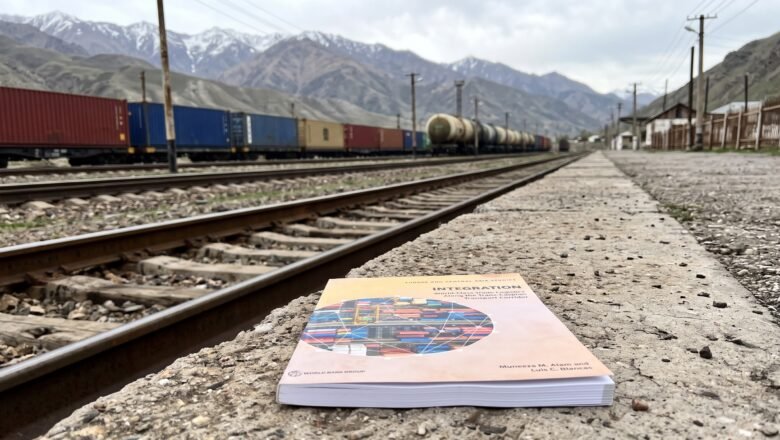
BusinessDaily has previously reported on EBRD-backed customs and logistics centres in Yerevan and Syunik, the Trans-Caspian corridor and the World Bank’s connectivity assessment, and the trilateral TRIPP technical groups.
Editor’s comment
The nearest result for business is on the Iranian route: mutual recognition of authorised operators will raise capacity even before the new crossing. On the Turkish border, roads and crossings are still in preparation, and their use depends on the border opening.