
Large petrol and diesel importers in Armenia can clear fuel before receiving conformity documents
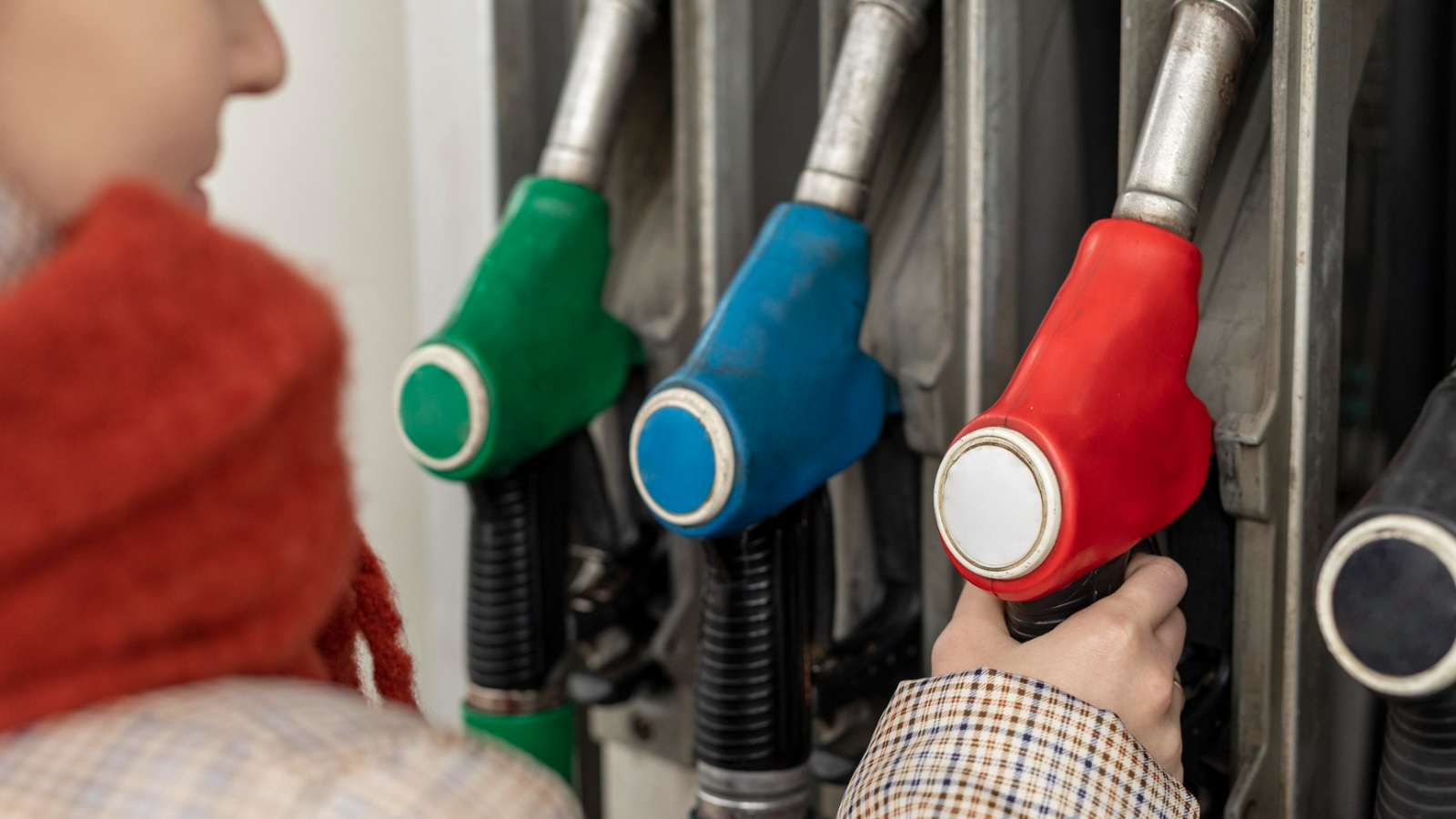
Large importers of petrol and diesel in Armenia will be able to release fuel for domestic consumption until the end of 2026 without immediately presenting customs with a document confirming compliance with the technical regulation of the Eurasian Economic Union (EAEU).
This is provided for in government decision No. 1550-N on the conditional release of motor petrol and diesel fuel, adopted on October 29. The document must be submitted within 10 days.
What happened
Under the general rules, customs releases imported fuel only after the importer presents a document confirming conformity with Customs Union technical regulation TR CU 013/2011. The decision introduces an exception: conditional release.
Who qualifies. Legal entities and sole proprietors that imported more than 16,800 tonnes of petrol and diesel for domestic consumption in the previous calendar year, or from the start of the current year up to the day the declaration is registered.
- the importer applies through the customs electronic declaration system and states where the fuel will be stored;
- the fuel arrives in liquid form by rail or road, is unloaded and stored at the importer’s site;
- until the document is received, the fuel keeps the status of foreign goods and stays under customs control: selling it, transferring it to third parties or using it is prohibited;
- the conformity document must be submitted no later than the 10th day after release;
- customs reviews the document by the end of the next working day, after which the fuel acquires EAEU goods status;
- if the document is not submitted or is incomplete, the fuel must be placed under the re-export procedure within 5 days. If it was stored in a shared tank with other batches, the entire contents of that tank must be re-exported;
- selling or using the fuel during conditional release carries liability under the Law on Customs Regulation.
Timing. The decision takes effect the day after official publication and applies to declarations registered by December 31, 2026.
Who benefits
- The largest fuel importers. The draft was prepared by the State Revenue Committee (SRC) at the request of the companies that import most of the country’s fuel. According to the justification, conformity assessment usually takes 2–3 working days, or 4–5 days if the cargo crosses the border on a non-working day. Meanwhile, tankers and rail cars sit waiting to be unloaded instead of returning for the next load.
- The fuel market. According to the SRC, regional developments make faster logistics necessary for petroleum imports. The faster rail cars and tankers turn around, the more stable supplies are.
What it means
The threshold changed after objections from the competition authority. The draft put up for public consultation on September 9 set the threshold at 20,000 tonnes. The Commission for the Protection of Competition and Consumer Rights found that only four of the five main fuel importers would then qualify. The fifth imported about 16,800 tonnes in 2025 and would have faced unequal competitive conditions. As a result, the threshold was lowered to exactly 16,800 tonnes.
Smaller importers are excluded. The Ministry of Economy proposed lowering the threshold to 10,000 tonnes to ensure equal conditions on the market. The SRC rejected this, saying it would considerably widen the circle of companies and create risks.
Quality checks are not scrapped, just deferred. The fuel must still pass conformity assessment. Until then it cannot be sold, and if the rules are breached it must be shipped out of the country.
The measure is temporary. It applies only to 2026 declarations, i.e. for about two months. The documents do not say whether it will be extended.
What to do
- Large fuel importers: check whether your imports exceed 16,800 tonnes for 2025 or since the start of 2026. Apply for conditional release through the electronic declaration system, and make sure the fuel can be identified at the storage site.
- Watch the 10-day deadline: a late document means mandatory re-export of the whole tank’s contents.
- Do not sell the fuel before conditional release ends, or you will face liability under customs law.
- Importers with smaller volumes cannot use this relief; the general rules apply to them.
Photo: Magnific