Armenia’s grape procurement reaches 200,000 tonnes: government discusses brandy ageing incentives and excise

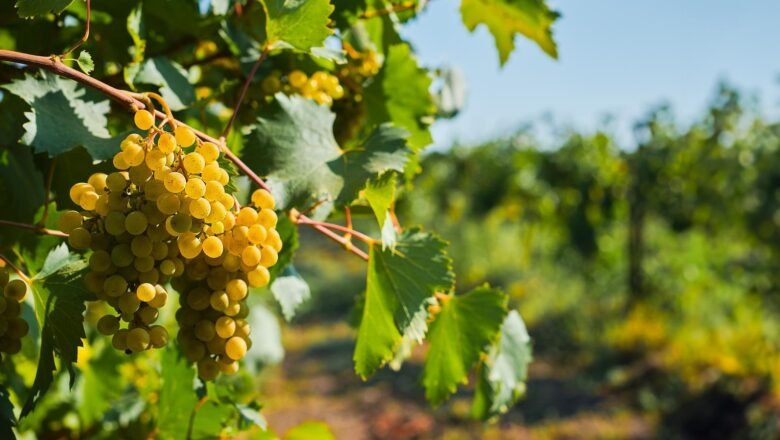
Grape procurement in Armenia reached 200,000 tonnes this year instead of the 180,000–185,000 tonnes initially planned, Armenia’s Minister of Economy Gevorg Papoyan said at the government session on 12 November. Armenia’s Deputy Prime Minister Mher Grigoryan, who chaired the session, proposed considering an ageing subsidy and looking at the whole chain, from vineyard to sale of the finished product.
The discussion arose around the subsidy for procurement of Areni grapes. The minister said that amid export restrictions about 15,000 tonnes were varieties not intended for spirit: about 2,500 tonnes of wine grapes and 10,000–13,000 tonnes of others, including table varieties. The remaining grapes are either exported or kept in cold storage. Procurement of fruit and vegetables came to a further 65,000 tonnes, equal to last year’s volume.
The topic concerns grape growers, wine and brandy producers, and exporters. Gevorg Papoyan listed the support programmes in place: about 600 million drams are earmarked this year to support spirit exports, with such a decision adopted separately each year; and if a buyer signs a contract with a grower by 1 August, the interest rate on its procurement loan is subsidised. The minister said that over the past three years “not a single kilogram of grapes has been left in the field”.
The minister noted that the procurement season began with empty barrels, since what had been procured in earlier years had largely been exported and sold. The barrels are now full again, and most of them must be sold before the next season. Mher Grigoryan said the time needed to find new markets can be put to use only if there is a motivation to age the product, and that subsidising one link of the chain must not create a break with the next stage. The minister said the EAEU market remains important and a considerable volume was sold there this year.
Gevorg Papoyan also set out a new distinction: two types of product may be made in Armenia, brandy and Armenian brandy. Armenian brandy is aged for at least three years exclusively in oak barrels; if ageing took place in other vessels using pieces of oak wood, the product is brandy, not Armenian brandy. The minister said these rules were adopted under intellectual property protection mechanisms and the Armenia–EU Comprehensive and Enhanced Partnership Agreement and matter for positioning on international markets.
At the same session the government adopted another decision related to ageing: in the programme supporting leasing of equipment for the agri-food sector, the wording “oak containers used in winemaking” was replaced with “oak barrels used in food and beverage production”. According to the rationale, oak barrels are also used in making fruit and berry wines and spirits and apple vinegar, to store and age the product. Oak barrels worth about 85.4 million drams have been leased over the life of the programme, and additional leasing after the change is estimated at about 10.0 million drams. The decision takes effect the day after publication.
Armenia’s Minister of Finance Vahe Hovhannisyan recalled a change to the Tax Code: excise tax is no longer calculated according to ageing, and the sector’s savings, he said, will be about 1 billion drams. The minister explained that imported products do not state a year of ageing and that Armenian cognac was at times sold more cheaply outside Armenia than in Armenia. Mher Grigoryan observed that the tax has thereby lost its link to quality and proposed stimulating quality and ageing through other rules; he said one could consider making the excise lower the older the product.
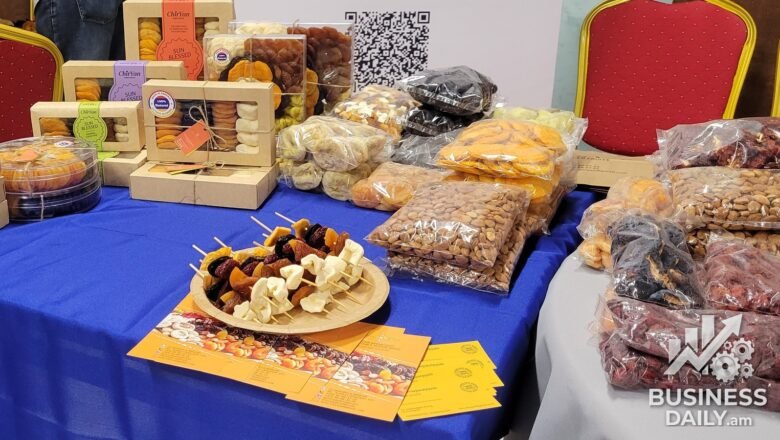
Armenia’s Minister of Health Anahit Avanesyan asked that incentive programmes also target raisin production from grapes, noting that alcohol consumption among young people is falling. Armenia’s Minister of Labour and Social Affairs Arsen Torosyan said alcohol consumption is declining in traditional markets and suggested thinking about other products for farms.
The practical takeaway for producers: the government intends to keep the market under monitoring; the deputy prime minister said that without periodic improvements and incentives the sector will run into difficulties, as competition is intense. BusinessDaily.am reported that brandy production rose 14.3% to 9,566.1 thousand litres of pure alcohol in January–August 2026, and grape wine production rose 23.4%; wine quality and alternative markets are discussed in a BusinessDaily.am interview.