Government plans to extend scrap metal export ban and metals export licensing
Armenia may extend for six months its ban on exports of ferrous and non-ferrous scrap and waste, as well as licensing of primary steel, copper and aluminium exports to third countries.
The Ministry of Economy put draft government decisions No. 10810 and No. 10808 up for public discussion on e-draft.am, Armenia’s portal for draft legal acts. The discussion runs until 13 November.
What it is
The first draft imposes a temporary ban on exports of ferrous and non-ferrous scrap and waste, as well as a range of used, worn-out or scrapped ferrous-metal goods (Harmonized System (HS) groups 84–85: equipment, machinery, electrical goods, cables, etc.). The ban covers both shipments to member states of the Eurasian Economic Union (EAEU) and exports to third countries. The list includes pig iron and ferrous scrap (7201, 7204), pipes and metal structures (7303–7308), used rails, cast-iron radiators and grinding balls, plus scrap and waste of copper, nickel, aluminium, lead, zinc, tin and a number of other non-ferrous metals. The ban will apply from 4 February to 4 August 2027, after the ban set by Government Decision No. 650-N of 14 May 2026 expires.
Exemptions include goods under the “temporary import” and “processing within the customs territory” procedures that are re-exported, goods shipped for repair or warranty replacement, a number of unused products made in Armenia (e.g. pipe fittings, new metal structures), goods for civil aviation and railways, and personal-use goods of individuals.
The second draft extends licensing of exports to third (non-EAEU) countries for: iron and non-alloy steel in ingots (7206), semi-finished products of iron or non-alloy steel (7207), alloy steel in ingots and semi-finished products (7224), refined copper and unwrought copper alloys (7403), unwrought aluminium (7601), aluminium powders and flakes (7603). Licensing will apply from 5 January to 5 July 2027, as the current procedure (Decision No. 878-N of 18 June 2026) runs until 4 January 2027.
Licences will be issued by the Ministry of Economy within 2 working days of registering an application. A “general licence” covers a total volume, which can be exported in separate batches without reapplying. The state duty is charged per tonne, and any quantity below one tonne is charged as a full tonne. On request, the licence can also be issued in Russian (for transit via other EAEU countries). The procedure does not apply to goods imported under temporary import or processing procedures and re-exported, or to goods brought into Armenia from EAEU countries under contract and exported to third countries.
| Product (EAEU HS code) | State duty per tonne |
|---|---|
| 7206, 7207, 7224 (steel, semi-finished products) | 110 × base duty – AMD 110 thousand (about $305) |
| 7403 (refined copper, copper alloys) | 400 × base duty – AMD 400 thousand |
| 7601, 7603 (unwrought aluminium, powders and flakes) | 300 × base duty – AMD 300 thousand |
Source: Article 19.6, parts 7–11, of the Law on State Duty (as published on the Ministry of Economy’s official website); the base duty is AMD 1,000.
Who needs it
The main beneficiaries are local metallurgy and metalworking companies, as well as cable and wire makers that use domestic scrap as raw material. According to the justification, Armenia has no efficient ferrous-metal deposits or metallic copper production, and imported scrap is uneconomical because of high prices, the lack of direct rail delivery and high logistics costs.
According to the Ministry of Economy, in 2022–2026 investments in the sector were made by the Karakert stone-casting plant, GTB Steel, Dzulakentron, Edmet, Aske Group, Asedl, Solara, T-Metal and Jmetal Trading Company. Total investment reached about $240 million, creating 1,680 jobs. Several companies have deepened processing and now make profiles from castings that were previously only imported. The state budget also gains through licence duties.
What it means
The government is pursuing a “products instead of raw materials” policy: scrap stays entirely inside the country, while exports of primary metal to non-EAEU markets remain possible but costly and controlled. The six-month term stems from the EAEU Treaty (Articles 29 and 47), which allows such temporary measures for up to 6 months, so they have to be renewed regularly. The justification notes that almost all EAEU countries have also banned or restricted exports of ferrous and non-ferrous metals. The Ministry of Economy says the decisions will not require additional budget spending.
What to do
Scrap collectors and traders should not count on exports until 4 August 2027 and need to work with local processors. Exporters of steel, copper and aluminium should build the per-tonne duty into their contracts for the first half of 2027 and apply for licences from 5 January (electronically, by post or in person). Proposals and comments on both drafts can be submitted on e-draft.am until 13 November 2026.
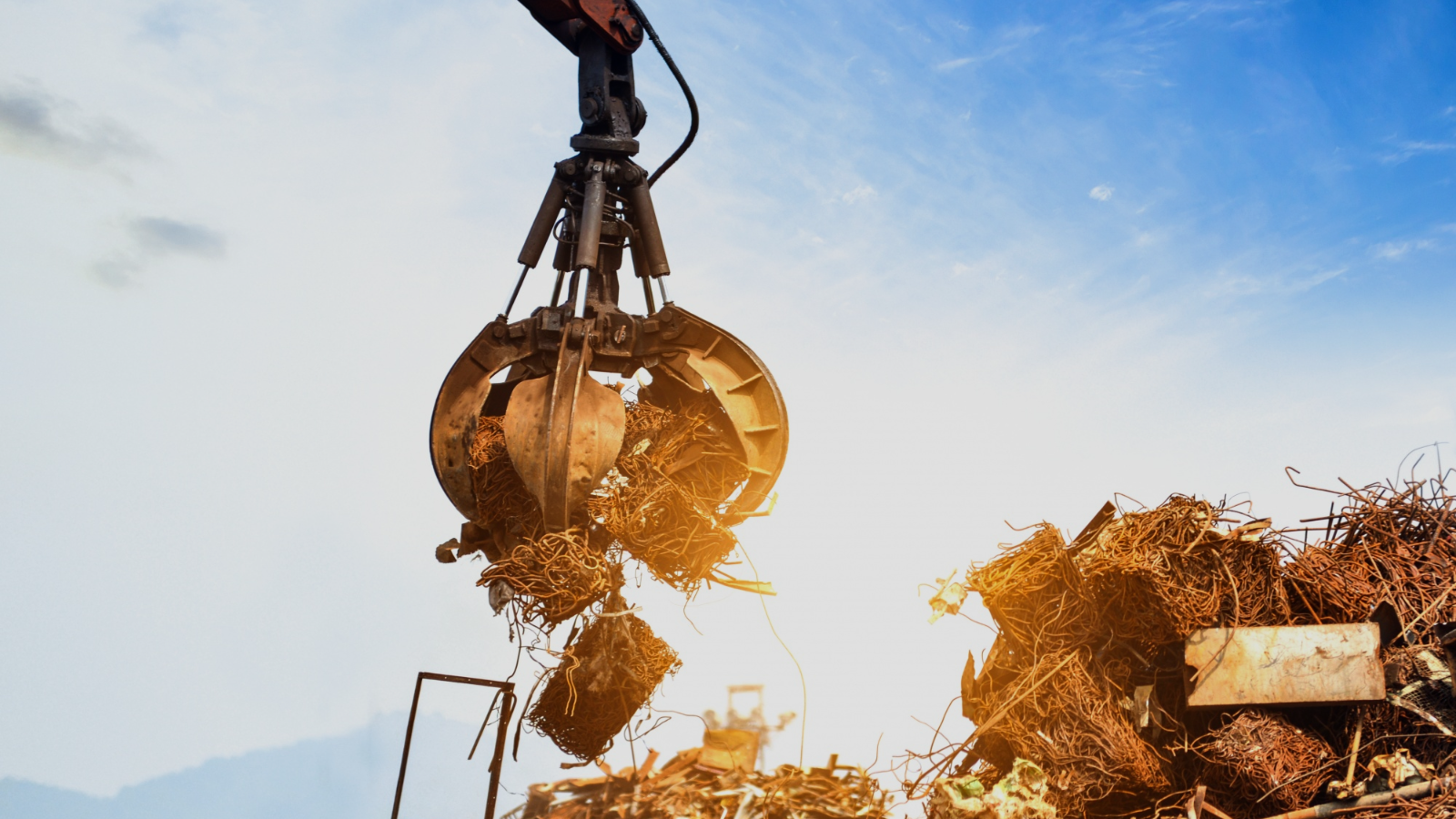
Photo: Magnific/@onlyyouqj