Russia caps cash ruble exports to Armenia at RUB 1 million, bans them for companies
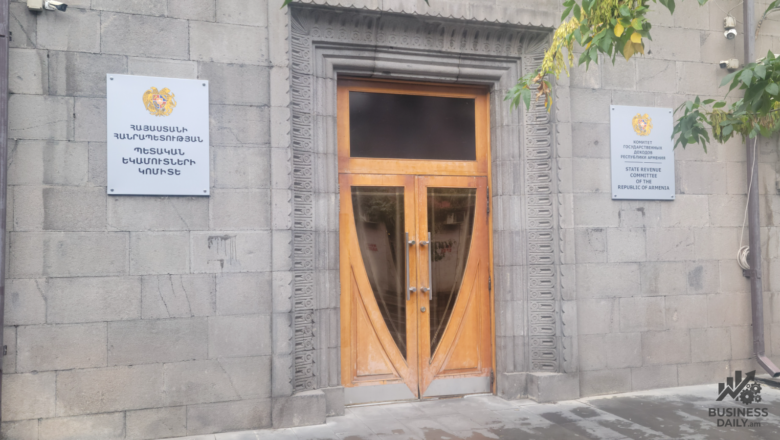
Individuals can no longer take more than RUB 1 million in cash from Russia to Armenia and several other countries, while legal entities and sole proprietors are barred from exporting cash rubles regardless of the amount. Armenia’s State Revenue Committee (SRC) reported this, citing the representative office of Russia’s Federal Customs Service (FCS) in Armenia.
What is it
The restriction was introduced by Russian President Vladimir Putin’s Decree No. 706 of 29 September 2026, which amends Decree No. 193 of 25 March 2026 “On the special procedure for exporting Russian cash currency and refined gold bullion from the Russian Federation”. The decree took effect on the day of signing, 29 September.
- Countries: Eurasian Economic Union (EAEU) members Armenia, Belarus, Kazakhstan and Kyrgyzstan, plus newly added Azerbaijan, Tajikistan and Uzbekistan.
- Individuals: the threshold is RUB 1 million (since 1 April the threshold was the equivalent of $100,000).
- Legal entities and sole proprietors: a ban regardless of the amount.
- Exceptions: exports through checkpoints at international airports designated by the government, backed by bank statements or other documents confirming the cash was withdrawn from an account; international transport by legal entities where both departure and destination points are outside Russia; activities of diplomatic and consular missions, upon notice from Russia’s Foreign Ministry.
- Seizure: individuals have the amount above RUB 1 million seized, legal entities and sole proprietors the entire amount. Enforcement rests with Russia’s Interior Ministry, Federal Security Service (FSB) and FCS.
- Within three months, Russia’s government, in agreement with the Bank of Russia, must approve a procedure for accounting for exported cash rubles.
Who needs it (beneficiaries)
First of all, the Russian state, which seeks to stop illegal capital outflows and circumvention of currency controls. Bogdan Shablya, Head of the Bank of Russia’s Financial Monitoring and Currency Control Service, said earlier that five months of applying the previous restrictions showed the need to “bring even more order”, while Alexey Yakovlev, Director of the Financial Policy Department at Russia’s Finance Ministry, reported cases where the same documents were used to justify different batches of cash. Indirect beneficiaries are banks and licensed money transfer systems, through which large amounts now have to pass.
What it means
For Armenia, this means a smaller inflow of cash rubles and a bigger role for cashless transfers. According to Russia’s Federal Customs Service, more than 6,000 cases of illegal cash movement by individuals, worth about RUB 955 million in equivalent, were detected in the first half of 2026. On the Armenian side, back in April the SRC uncovered two cases at Zvartnots Airport involving a total of RUB 72.6 million brought from Russia and announced stepped-up monitoring of cash at air and land borders. The new threshold is roughly eight times lower than the previous one, making it harder and more costly to split large sums among several people.
Speaking at a press conference on 3 November, Martin Galstyan, Governor of the Central Bank of Armenia, said: “I don’t see big problems there, because RUB 1 million, if converted into dollars, is approximately $12,000… We are talking about the equivalent of AMD 4–5 million.” According to him, compatriots working abroad usually send part of their earnings to Armenia via transfers during the year, “as a result of which the final amount they bring with them in cash is much smaller than the AMD 4 million mentioned.” “So I don’t think it will have any significant behavioural impact,” the Governor stressed. According to him, the Central Bank lacks sufficient data on relocants’ financial behaviour, but most of them apparently already use Armenian banking services and international payment cards, so no significant impact on their financial behaviour is expected either.
What to do
- Travellers: when leaving Russia, cash rubles must not exceed RUB 1 million – any excess is seized. For foreign currency, a $10,000 limit has applied since March 2022.
- Large amounts: use bank transfers, or export only through the designated international airports with bank documents confirming the withdrawal.
- Businesses: companies and sole proprietors should switch fully to cashless settlements. The SRC urges people to transfer funds through licensed financial institutions.
- Watch for the accounting procedure to be approved by Russia’s government and the Bank of Russia (deadline: end of December 2026).
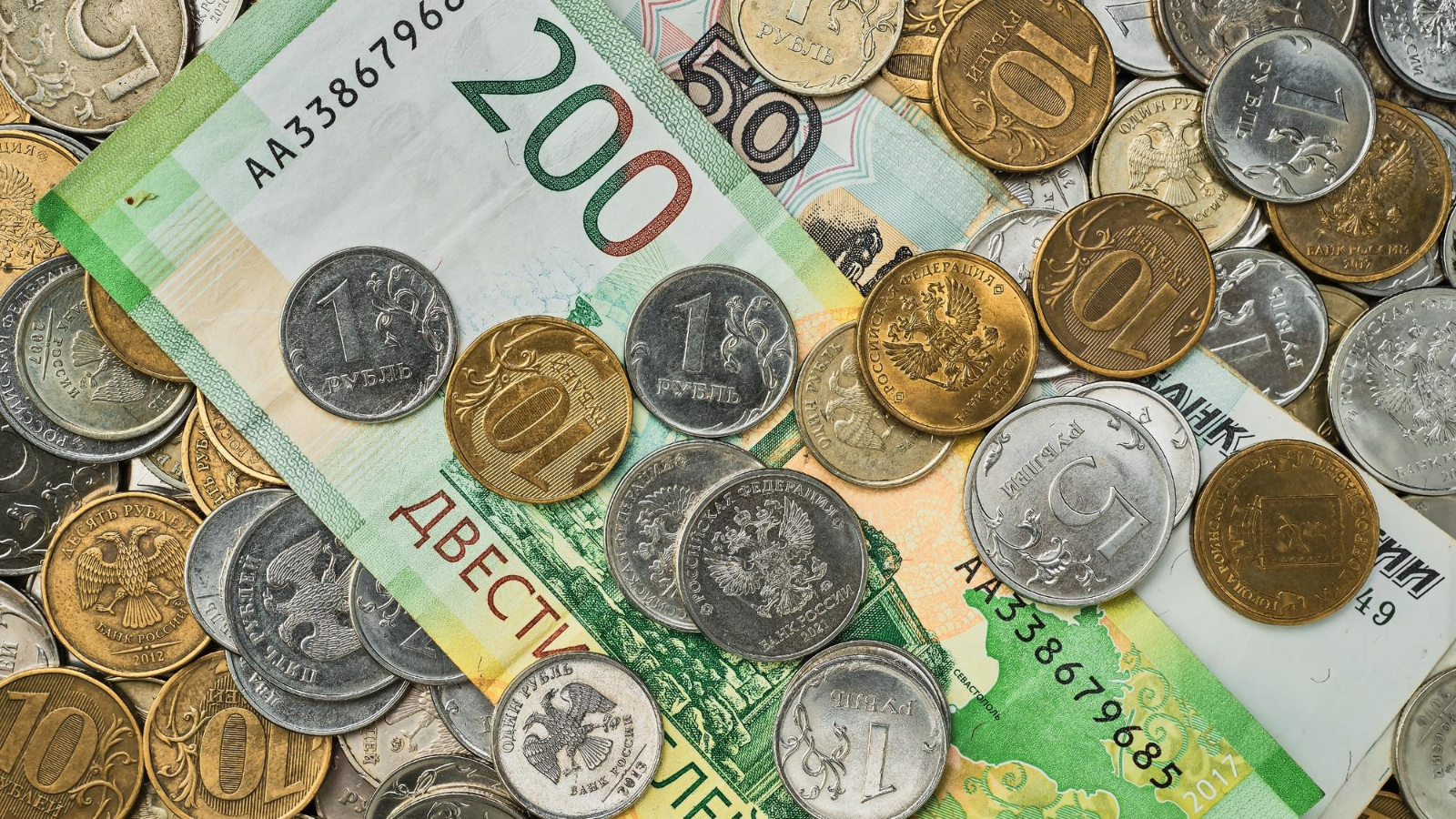
Photo: Magnific/ededchechine
Sources: Armenia’s State Revenue Committee; Central Bank of Armenia; Decree of the President of the Russian Federation No. 706 of 29.09.2026; Decree No. 193 of 25.03.2026; Russia’s Federal Customs Service.